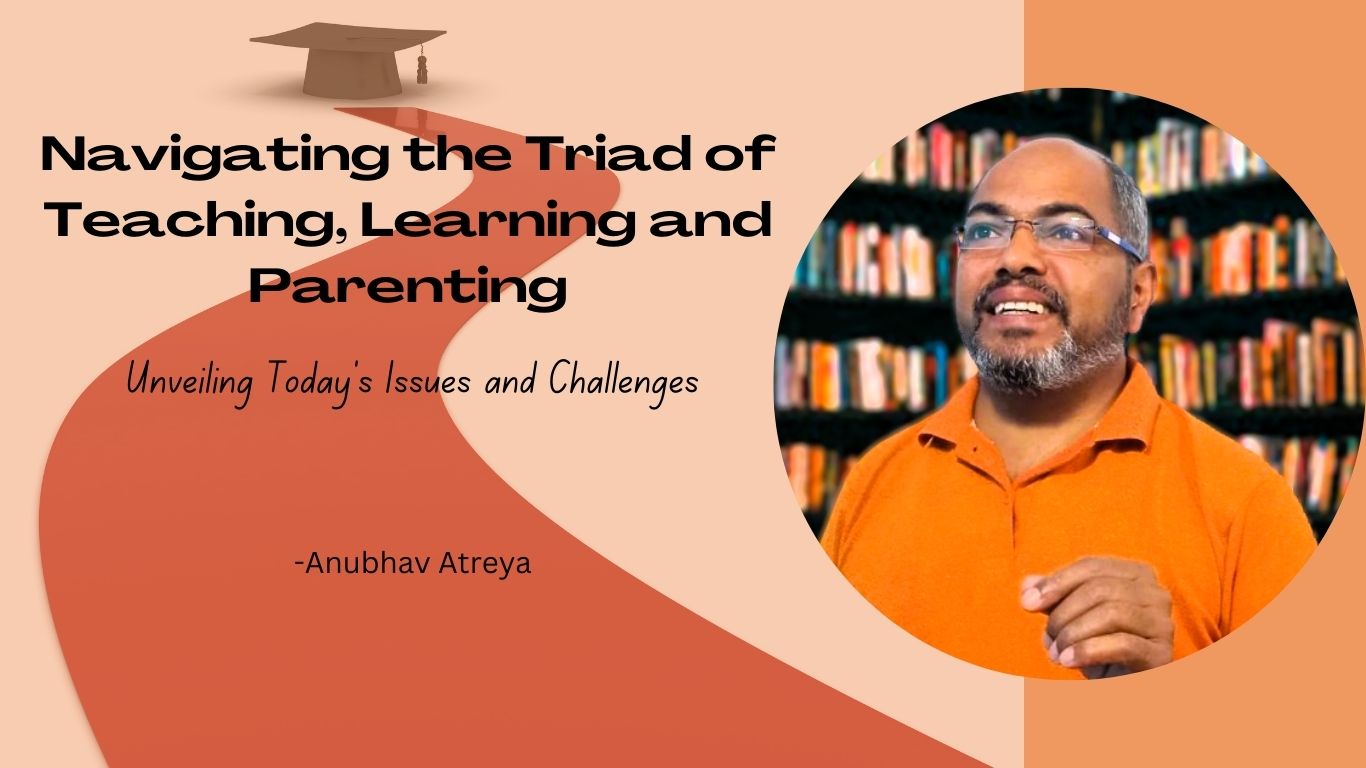
"Teaching ignites the flame of curiosity, learning fuels the fire of understanding, and parenting nurtures the spirit to shine bright."
In the world of education, three pillars shape our children’s future: teaching, learning, and parenting. Each plays a crucial role, and together, they form a complex system. Today, we face many challenges that require our collective effort to address.
The Digital Divide
Technology
dominates our era, making access to digital resources essential for educational
success. However, a significant digital divide exists. Disparities in access to
devices, internet connectivity, and digital literacy create gaps between
privileged and marginalized communities. Bridging this gap demands action from
policymakers, educators, and parents to ensure every student has equitable
access to digital tools.
Parental Engagement
Parents
play a critical role in their children's education. Yet, busy schedules,
economic pressures, and lack of resources often limit their involvement.
Strengthening home-school partnerships involves proactive efforts from schools
to engage parents. Providing support, resources, and opportunities for
collaboration is essential.
Mental Health and Well-being
Academic
pressure, social expectations, and an uncertain future weigh heavily on
students. Mental health issues like anxiety, depression, and burnout are
rising. Creating a supportive learning environment that prioritizes emotional
well-being is crucial. This approach nurtures resilient and confident learners.
Cultural Competence and Diversity
In
our diverse and interconnected world, cultural competence is essential.
Educators must recognize and celebrate student diversity. Inclusive classrooms
where every voice is valued foster empathy and understanding. Training teachers
to navigate cultural differences promotes mutual respect among students.
21st Century Skills
Preparing
students for an uncertain future requires more than traditional academic
knowledge. Critical thinking, creativity, collaboration, and adaptability are
vital 21st-century skills. Incorporating these into the curriculum requires a
shift towards student-centered, inquiry-based learning. This approach empowers
students to become lifelong learners and problem-solvers.
Addressing Learning Loss
The
pandemic has caused widespread learning loss, especially among vulnerable
populations. Addressing this issue requires targeted interventions,
personalized learning plans, academic support, and remedial resources.
Identifying and addressing learning gaps early can mitigate the pandemic's
long-term impact on students' academic paths.
Moving Forward Together
In
the face of these challenges, collaboration and innovation are key. Strong
partnerships between educators, parents, policymakers, and community
stakeholders can create a more equitable, inclusive, and resilient education
system. By working together, we can empower every child to reach their full
potential.
As
we navigate the interplay of teaching, learning, and parenting, let’s seize
this opportunity to reimagine education for a brighter future. Learning keeps
our minds young and our lives vibrant. Let’s commit to lifelong learning and
embrace the changes needed to ensure a thriving educational landscape for all.
Courses
| Available Courses | Select |
|---|