
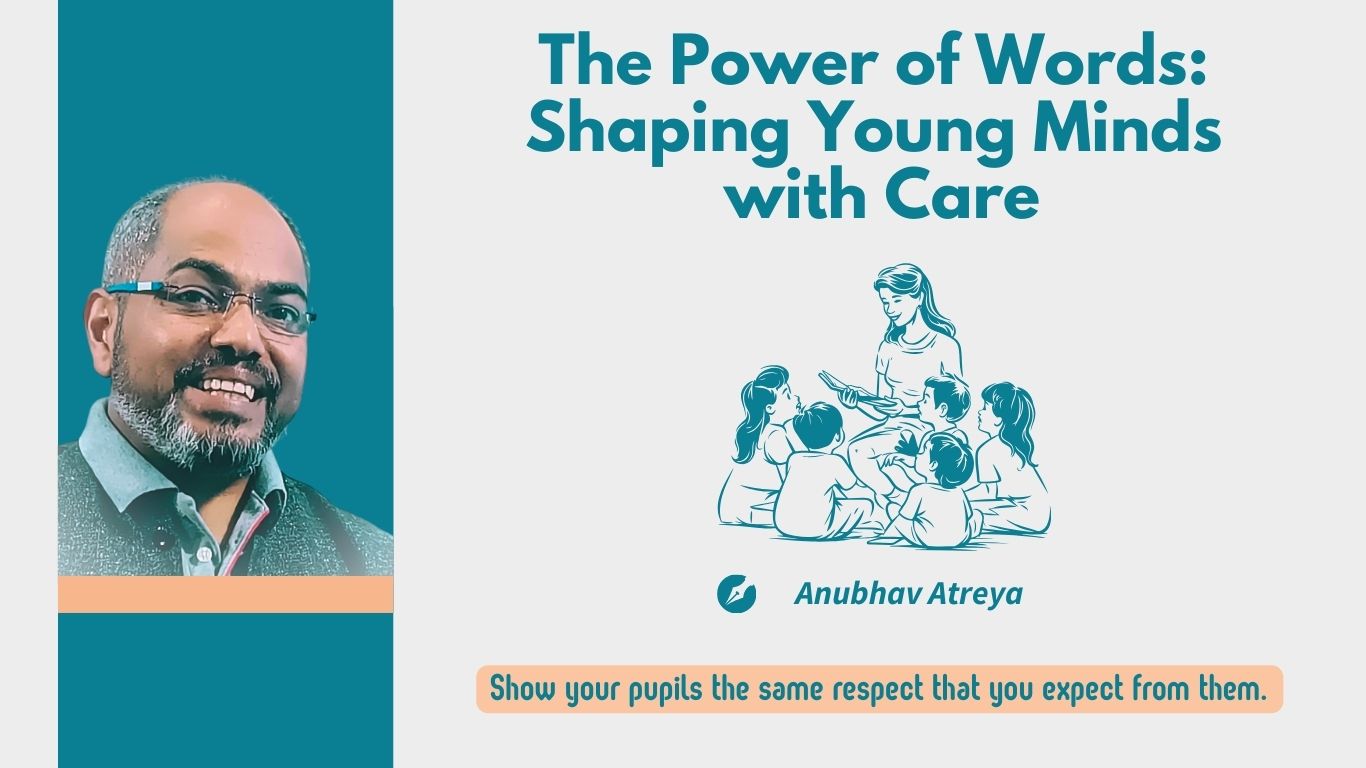
"Words have
power and eternal impact, so speak only when your words weighgreater
values." — Anubhav Atreya
Words hold incredible power. As teachers,
the words we choose can shape our students' minds and futures. Our words can
inspire, uplift, and guide. But they can also hurt and hinder.
"Words have
power and eternal impact, so speak only when your words weigh
greater
values." — Anubhav Atreya
The Impact of Words
Every word we speak to our students carries weight. Encouraging words can boost their confidence and ignite their passion for learning. Harsh words can crush their spirits and diminish their self-worth.It's essential to be mindful of our language. Speak with intention. Choose words that add value and foster growth. Remember, our words can leave a lasting impact.
Words that Hurt
Certain words can deeply wound a student's heart and mind. Here are some examples of words and phrases that hurt:· "You're not good enough."
(*Think of some more…)
These phrases can make students feel inadequate, discouraged, and unloved. They can damage their self-esteem and hinder their academic and personal growth.
Words that Heal
Conversely, kind and encouraging words can heal and empower. The following are the instances of words and phrases that heal:· "I believe in you."
(*Contribute some more…)
These phrases can boost students' confidence, motivate them to try harder, and foster a positive learning environment. They can make students feel valued and supported.
The Role of Teachers
As teachers, our role is to guide, support, and nurture our students. Our words are one of our most powerful tools. We must use them wisely and thoughtfully.Encourage open communication. Listen to your students. Show empathy and understanding. Establish a welcoming and safe space for learning where kids may express themselves without fear.
Practical Tips for Positive Communication
· Be Mindful: Think before you speak. Consider the impact your words will have on your students.By choosing our words carefully, we can create a positive and nurturing learning environment. Our words can inspire, motivate, and uplift our students. They can help shape confident, resilient, and successful individuals.
Courses
| Available Courses | Select |
|---|